
AI Quality Pilot:Deterministic-first 的 AI 軟體品質保證閉環系統
AI Quality Pilot 是我在 研華科技(Advantech) 任職期間設計與開發的 AI 軟體品質保證專案。它把 Hermes 對話式 agent 與 deterministic QA engine 結合,將 issue 同步、測試案例產生、執行、證據、報告、Wiki 與修復 PR handoff 串成一個有安全閘門、可追蹤且可持續成長的閉環。
🔗 GitHub: siriChiu/quality-assurance-AI-system-testing
🏢 專案背景: 研華科技(Advantech)工作期間開發
🧰 技術: Python 3.10+、Hermes dynamic skill、Redmine/Gitea MCP、Pytest、BDD、Task Graph、Knowledge Graph
📄 授權: MIT
本文介紹的是公開 GitHub 版本的通用架構,不包含公司內部主機、帳號、測試資料、客戶資訊或實驗室拓撲。
📋 專案摘要
AI Quality Pilot 的核心不是「讓 LLM 自由操作測試工具」,而是讓 AI 負責理解上下文與協助整理內容,所有測試真實性、狀態轉移、證據驗證與遠端寫入,仍由 deterministic engine 決定。
主要能力包含:
- Repo-agnostic SWQA: 可套用到不同產品 repository,產品專屬 case、runner、rules 與 evidence 放在 host-project overlay,不污染工具本身。
- Issue-driven testing: 同步 Redmine/Gitea issue,建立 canonical mapping,串起 issue ID、case ID、evidence 與 PR。
- Executable case generation: 支援初始掃描、持續成長與 Redmine-linked test case,並以結構化 oracle 判定結果。
- Evidence-first reporting: 保存 contract hash、stdout/stderr、assertion 結果、執行時間與報告,避免只有一句「測試通過」。
- Gated close loop: Issue、Wiki、review comment 與 PR handoff 都必須經過 deterministic write gate;不可逆操作保留 human gate。
- Graph Engineering: 同時使用 Task Graph 管理 agent 如何工作,並以 Knowledge Graph 建立具 provenance 的唯讀 QA 記憶模型。
🛑 為什麼需要這套系統?
傳統自動化測試通常能回答「指令有沒有跑完」,卻未必能回答下列問題:
- 這次測試是否真的使用正確 binary、fixture、版本與 target?
- Exit code 0 是否代表產品功能正確,還是只代表 help command 能執行?
- PASS 是否可以直接解讀成 workflow 完成、系統健康或允許發布?
- Redmine、Gitea、test case、evidence 與 Wiki 的狀態是否一致?
- Agent 產生的內容是否可能帶入 token、內部路徑或未授權資訊?
- 失敗後應該重跑全部流程,還是只修復受影響的節點?
如果讓 LLM 同時負責推理、執行、判定 PASS 與寫入 tracker,容易把「看似合理」誤當成「已被證據證明」。因此,我把系統切成兩層:Hermes 提供自然語言互動與候選內容,deterministic engine 掌握 contract、truth、validation 與 write permission。
🏗️ 系統架構:AI 協作,規則引擎掌握真實狀態
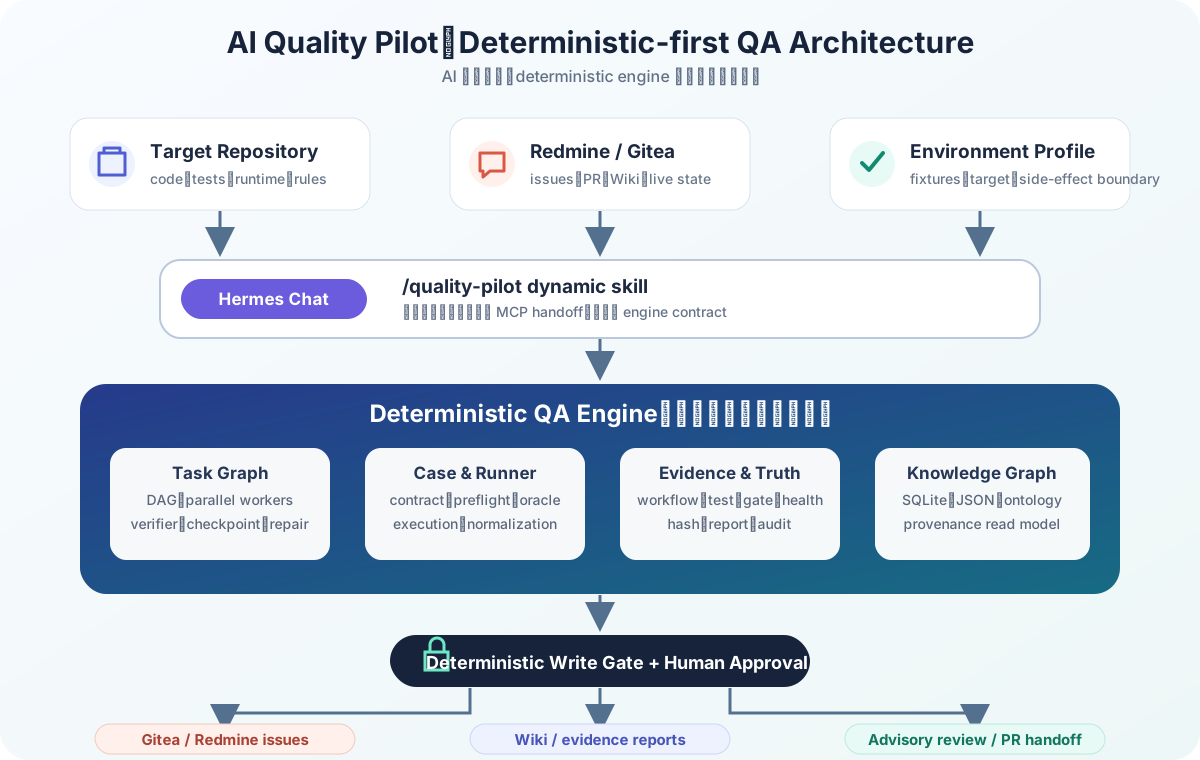
使用者從 Hermes 輸入 /quality-pilot ...,dynamic skill 會收集必要上下文並呼叫 Python engine。Engine 讀取 target repository 與 .quality-pilot-project overlay,依固定順序完成環境檢查、scope selection、case execution、result normalization、deduplication、write gate、report 與 state persistence。
Validate config → Health checks → Pull tracker state → Select scope
→ Run cases → Normalize results → Deduplicate actions → Write gate
→ Tracker write when allowed → Render reports → Persist state
遠端 Redmine/Gitea 操作採 MCP handoff:engine 先產生經驗證的 request payload,Hermes 再執行 MCP;engine 不保存 tracker token,也不允許 agent 跳過 gate 直接改 issue 或 Wiki。
Host-project overlay
每個待測產品保有自己的設定與測試資產:
.quality-pilot.yaml
.quality-pilot-project/
├── cases/       # executable case contracts
├── runners/     # product-specific runners
├── rules/       # domain and side-effect policies
├── state/       # generated workflow state
├── evidence/    # redacted execution evidence
└── reports/     # Markdown / JSON reports
這個邊界讓 AI Quality Pilot 維持通用,也避免將產品 fixture、內部 issue、主機資訊或測試紀錄誤提交到工具 repository。
🧭 四軸 Truth Model:一個 PASS 不代表全部通過
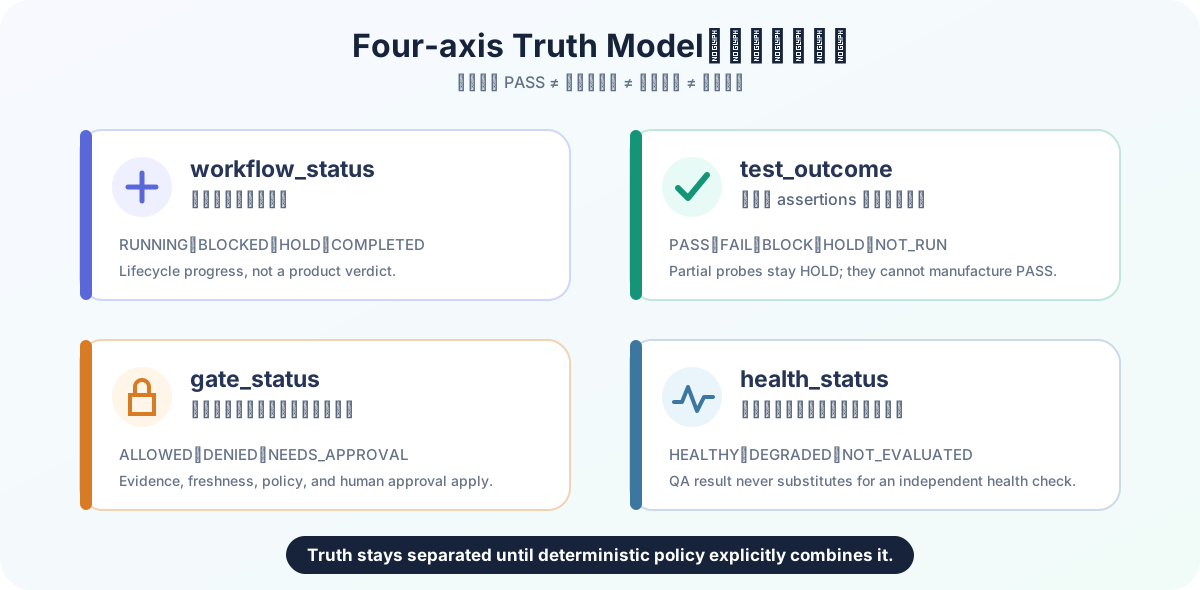
我將常被混在一起的狀態拆成四個獨立維度:
| 狀態軸 | 回答的問題 | 例子 |
|---|---|---|
workflow_status | 品質流程目前走到哪裡? | RUNNING、BLOCKED、HOLD、COMPLETED |
test_outcome | 已執行 assertion 實際觀察到什麼? | PASS、FAIL、BLOCK、HOLD、NOT_RUN |
gate_status | 下一個寫入或發布動作可以進行嗎? | ALLOWED、DENIED、NEEDS_APPROVAL |
health_status | 元件或整合健康是否被獨立檢查? | HEALTHY、DEGRADED、NOT_EVALUATED |
例如,一條 command assertion 可以 PASS,但若環境證據不足、coverage 太淺或 remote write 尚未核准,workflow 仍可能是 BLOCKED/HOLD,gate 也不能放行。只有 partial probe 時,觀察結果會保留在 probe_outcome,正式 test_outcome 仍是 HOLD,避免以淺層探針製造假 PASS。
🕸️ Graph Engineering:Task Graph 與 Knowledge Graph
這個專案採用 Graph Engineering 的雙圖設計,但兩者的責任完全不同。
1. Task Graph:agent 如何工作
Task Graph 將工作拆成具明確 dependency 的 DAG:
Scoped Context → Node Contract → Parallel Workers → Independent Verifier
→ Single Merge Owner → Human Gate → Checkpoint → Targeted Repair / Resume
核心設計包括:
- 每個 node 只取得允許相信的 scoped context,不能任意讀取所有秘密與歷史對話。
- Contract 明確定義 required input/output、validator、owner、side-effect boundary 與 repair policy。
- 無相依性的 case 可以 bounded parallel 執行;verifier 必須與 worker 分離,避免自我驗證。
- 每個 artifact 只有一個 writer,防止平行工作互相覆蓋。
- 節點失敗時,只 invalidate 該節點與 descendants,保留其他已驗證 checkpoint。
- Publish、tracker write 或 PR 等不可逆操作前才加入 human gate。
2. Knowledge Graph:agent 記住什麼
Knowledge Graph 是具 provenance 的 QA read model:SQLite 作為 canonical store,JSON 作為可攜式輸出。Entity、relation 與 event 都必須包含來源、時間、信心值與 evidence;ontology 會檢查型別、domain/range 與 event schema。
Knowledge Graph 可以回答「哪個 run 產生了這個 case 的 evidence」等追蹤問題,但 graph node 數量、查詢成功或 extraction confidence 都不能直接產生 QA PASS、READY、APPROVED 或 MERGE_ALLOWED。Source system 與 deterministic QA artifacts 仍是權威來源。
🔄 Evidence-driven Close Loop
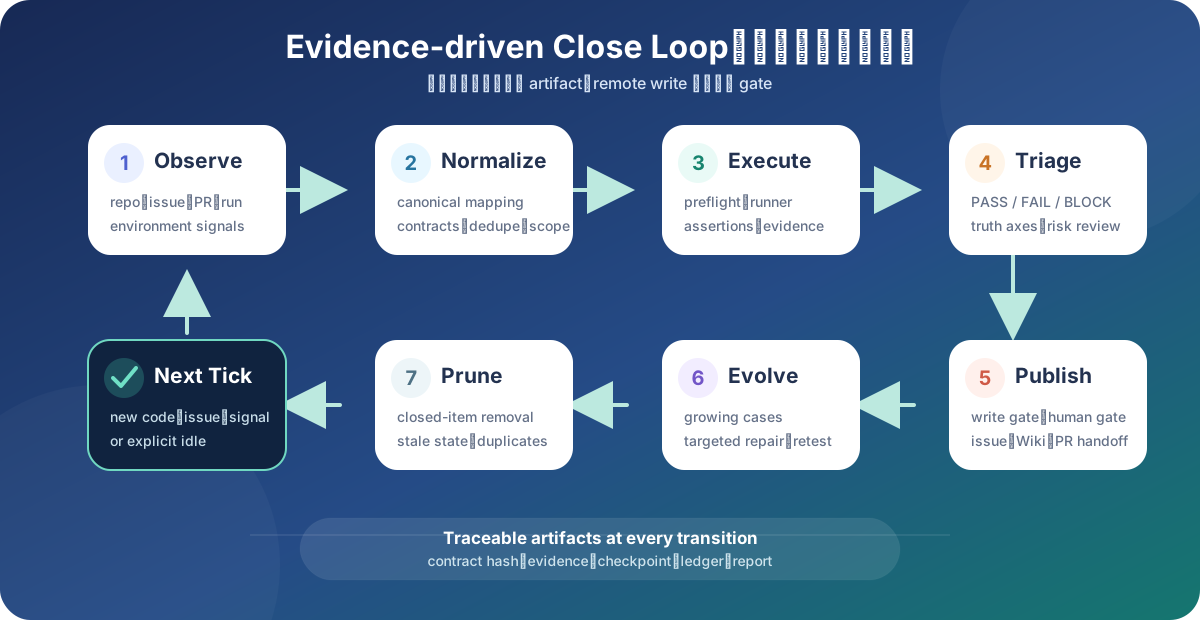
整體 lifecycle 使用以下語彙:
Observe → Normalize → Execute → Triage → Publish → Evolve → Prune
- Observe: 讀取 repository、近期變更、Redmine/Gitea issue、PR、既有 cases、latest run 與 environment profile。
- Normalize: 建立 canonical issue mapping、去重、確認 scope 與 executable contract。
- Execute: 先做 environment preflight,再以 runner 執行 structured assertions,保存 evidence 與 contract hash。
- Triage: 分離 PASS、FAIL、BLOCK、HOLD,檢查 evidence freshness、coverage 與四軸 truth。
- Publish: 通過 gate 後,才產生 Gitea issue update、Wiki status、advisory review comment 或 PR handoff。
- Evolve: 依新的 code、issue、run 與 failure signal 產生 growing cases,修正後再進入 retest。
- Prune: 移除 closed/resolved issue 的 active tracking,清理 duplicate 與 stale state。
close-loop heartbeat 是一次 sensor-driven tick:有新工作時只執行新產生或明確選定的 cases;沒有新 signal 時回報 idle。排程由 Hermes 或外部 scheduler 觸發,工具不會私自安裝背景 timer。
🧪 測試案例、Oracle 與 Evidence
Case generation 分成三種入口:
--init:第一次分析產品 repo,以分層方式建立可執行的初始 cases。--growing:根據 issue、commit、PR、latest run 與既有 coverage 產生新增 cases,並避免 duplicate command 消耗新增額度。--redmine-issues:從 Redmine MCP snapshot 建立 linked cases,串回 Gitea 與 evidence mapping。
每個 case 不是只有一條 shell command,而是包含環境需求、side-effect boundary 與 structured assertions。第一版 oracle 可檢查:
- Exit status
- stdout / stderr 的 contains、regex、equals
- Duration bounds
- Assertion ID 與 oracle result
- Contract hash 與 evidence freshness
對需要真實產品環境的 case,系統會先檢查 local/remote mode、entrypoint、fixture、credential environment variable、target 與執行權限。缺少必要資訊時回 BLOCK,而不是執行一個替代命令再錯誤宣稱 PASS。
🔍 PR Review 與真實產品測試
review pr 會 pin 住 PR head SHA,建立 detached worktree,重建必要 diff,選擇 repository regression suite,並將 evidence 綁定到該版本。Comprehensive mode 會分別呈現 black-box、white-box、functional、boundary、stress 與 documentation 維度;changed-file-driven oracle 只有在對應 product test 實際成功後才算 evidence。
Product build、product operation 與 browser UI 是不同 cases:
- Build 必須在 disposable writable copy 中產生真實 artifact。
- Product operation 必須具 semantic assertion;只有 exit code 的 probe 維持
HOLD。 - Web UI 使用真實 Playwright interaction 與 positive UI assertion,不以 curl、mock DOM 或 API probe 假裝 browser test。
- 缺少 dependency、browser、server、fixture 或 oracle 時,回報
BLOCK/HOLD,不誤判為產品FAIL/PASS。
Review 的遠端輸出只準備 advisory COMMENT;最終 COMMENT / REQUEST_CHANGES / APPROVED 仍由使用者決定。
🔐 安全與寫入邊界
為了讓 agent 能進入實際工程流程,又不取得過度權限,我加入以下安全設計:
- Deterministic write gate: 檢查 target state、contract match、evidence freshness 與 secret leakage,通過後才可建立遠端 handoff。
- Secret fail-closed: Token、password、private key、PII、內部路徑與高熵字串在 context、evidence、graph 與 remote payload 邊界統一檢測與遮罩。
- No direct tracker token: Engine 不保存 Gitea/Redmine token,由 Hermes MCP 執行已核准 request。
- Safe command execution: Product/review command 使用 allowlisted argv 與
shell=False;README command 只有經使用者確認後才能執行。 - Environment authorization: 系統記錄 credential 環境變數名稱、target env name 與 side-effect boundary,不保存秘密值,也不把 repo 推論冒充使用者授權。
- Human-owned irreversible actions: Wiki apply、issue write、review reply 與 PR handoff 都保留可檢查的 payload、ledger 與人工決策點。
📊 目前完成度與誠實邊界
AI Quality Pilot 目前是 partial close loop,公開文件以 capability matrix 明確區分 Supported、Partial 與 Planned,避免把 roadmap 當成已完成能力。
| 狀態 | 目前範圍 |
|---|---|
| Supported / first slice | Hermes skill 與 dispatcher、setup/doctor/audit、environment preflight、init/growing cases、structured assertions、evidence/contract hash、四軸 truth、single-tick heartbeat、Task Graph 核心、local Knowledge Graph |
| Partial | Redmine/Gitea 全流程同步與 reconciliation、完整 A0–A8 resumable loop、risk-based PASS/HOLD gate、PR review 的產品專屬 adapter、post-fix 自動 retest |
| Planned | 深度 mutation/fuzz/security/load/soak、完整 UI 與 distributed-system strategy、remote GraphRAG、跨程序 scheduler supervision |
這種標示方式本身也是品質工程的一部分:功能存在、測試通過與可安全用於正式決策,是三件不同的事。
🛠️ 技術棧與我的工程貢獻
- Language / Package: Python 3.10+、setuptools、PyYAML
- Testing: Pytest、unittest、BDD/Gherkin、structured oracle
- Agent integration: Hermes dynamic skill、MCP handoff、candidate-only subagent boundary
- Workflow: Task Graph DAG、bounded parallel execution、checkpoint、targeted repair、human gate
- Knowledge: SQLite、JSON、ontology validation、provenance、reversible fusion
- Trackers / Delivery: Redmine、Gitea Issue、Wiki、PR review and repair handoff
- Browser / Runtime: Playwright、local/remote environment profile、bounded PTY/TUI probe
- Security: Redaction、secret detection、contract hash、write ledger、allowlisted argv
我負責將需求整理成系統架構與 contract,實作 Python engine、CLI/Hermes command surface、case/evidence pipeline、Task/Knowledge Graph、issue/Wiki/PR gate,並以 BDD 與自動化測試持續驗證狀態語意及安全邊界。
💡 專案心得
這個專案讓我重新思考 AI 在 SWQA 中最適合的位置。AI 很適合讀懂大量上下文、找出候選風險、協助產生 case 與人類可讀報告;但 PASS、證據有效性、遠端寫入與 release decision 不應只依賴模型的自然語言結論。
因此,AI Quality Pilot 最重要的設計不是「更自主」,而是 可驗證、可恢復、可稽核,而且知道何時必須停下來請人決定。這也是我在研華工作期間,將測試自動化進一步推向 AI-assisted Quality Engineering 的實作。
查看原始碼與完整文件: https://github.com/siriChiu/quality-assurance-AI-system-testing